
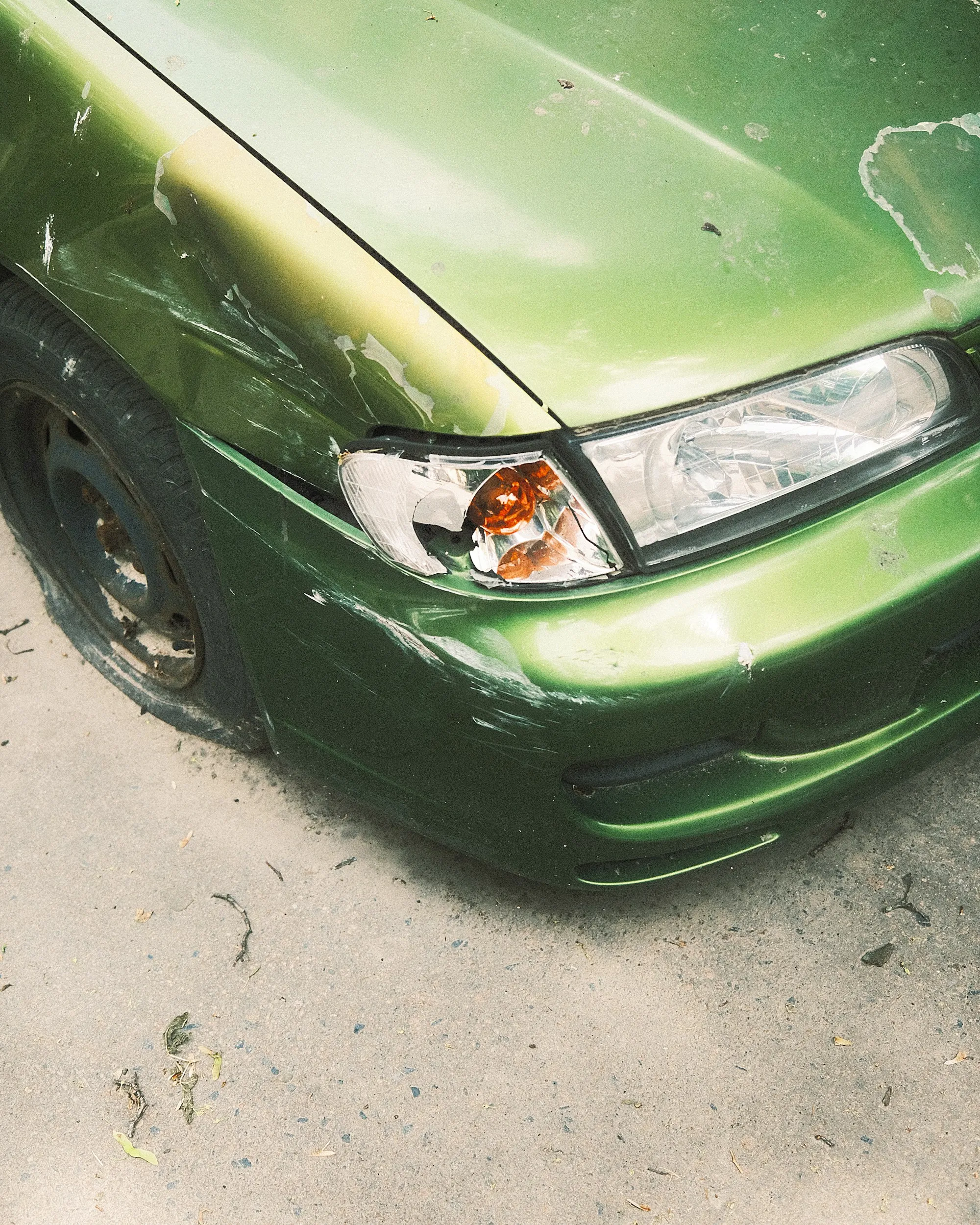
Bumper covers and what sits behind them
Bumper Repair & Replacement in Heath, Sensors and All
Bumpers take the brunt of tight garages, school lots and slow traffic along Ridge Road. We fix the cover and make sure the safety parts behind it still do their job.
Ask our team about your bumper at (000) 000-0000A Bumper Is Part of the Safety System
The plastic cover you see is only the outer layer of a bumper. Behind it sits a foam or plastic energy absorber and a metal reinforcement bar that spreads crash forces into the frame rails. Many family vehicles also mount parking sensors in that cover, along with the radar behind cruise control and automatic braking, plus a camera on some models. A small parking lot bump in Heath or Sunnyvale can crack an absorber or knock a sensor bracket out of position without leaving much of a mark. That is why we always look behind the cover before deciding on repair or replacement. We then lay out what turned up and the reasoning behind our recommendation.
Everything From the Cover to the Bar
We treat each bumper as a small system, so the work covers far more than the visible plastic.
Cover removed for a full look
Taking the cover off lets us check the absorber, brackets and wiring that a quick glance from outside would miss.
Plastic welding for tears and cracks
Many cracks and tears in bumper covers can be welded from behind and reinforced, keeping the original part in place.
New covers when repair falls short
Covers with severe damage, broken mounting tabs or stretched plastic are replaced with a properly fitting part.
Energy absorber inspection
The foam or honeycomb absorber is checked for crushing and replaced if it could not soften a future impact.
Reinforcement bar and its mounts
The metal bar behind the cover and its mounting points are checked for bends that could change how a crash is handled.
Sensor brackets and wiring
Parking sensor holders, radar brackets and connectors are inspected, repaired or replaced so each part sits in its proper place.
Radar and camera calibration
After the bumper is reinstalled, driver-assist sensors are calibrated so alerts and automatic braking respond as designed.
Color matched to the body
The repaired or new cover is refinished to match and faded into the paint where it joins the fenders.
How a Bumper Gets Put Right
- 01
Peel back the outer layer
Off comes the cover so each layer behind it can be inspected. Absorbers, brackets, sensors and wiring are checked and photographed. We then share whether fixing or renewing the cover is the wiser route. Your estimate reflects exactly what we found.
- 02
Weld, renew or repaint
Cracks are plastic-welded or the cover is replaced, and damaged absorbers or brackets are renewed. The cover is then prepped and painted to match your car. Sensors are reinstalled in their correct positions. Each clip and fastener is secured so the bumper sits snug.
- 03
Aim the sensors and verify
Each driver-assist sensor is aimed and calibrated using the manufacturer's procedures. A diagnostic scan confirms no warning lights remain. We check the fit along the fenders and lights, and then you hear from us that the vehicle is ready to come home.
Why Families Trust Us With Their Bumpers
We look past the plastic
An unmarked cover can still be hiding a flattened absorber underneath. That is why each cover comes off before we decide anything.
Driver-assist features that still help
Parking sensors and automatic braking help protect kids and neighbors around the driveway. We make sure they work after the repair.
Repair before replacement when sensible
If the original cover can be fixed well, we fix it. When renewing it is smarter, you hear the reason.
Bumper Took a Bump?
Even a small bumper crack is worth a closer look, especially on a vehicle with sensors. Ring us with a short description of the bump, and we can outline how the inspection works.
Your bumper questions go to (000) 000-0000