
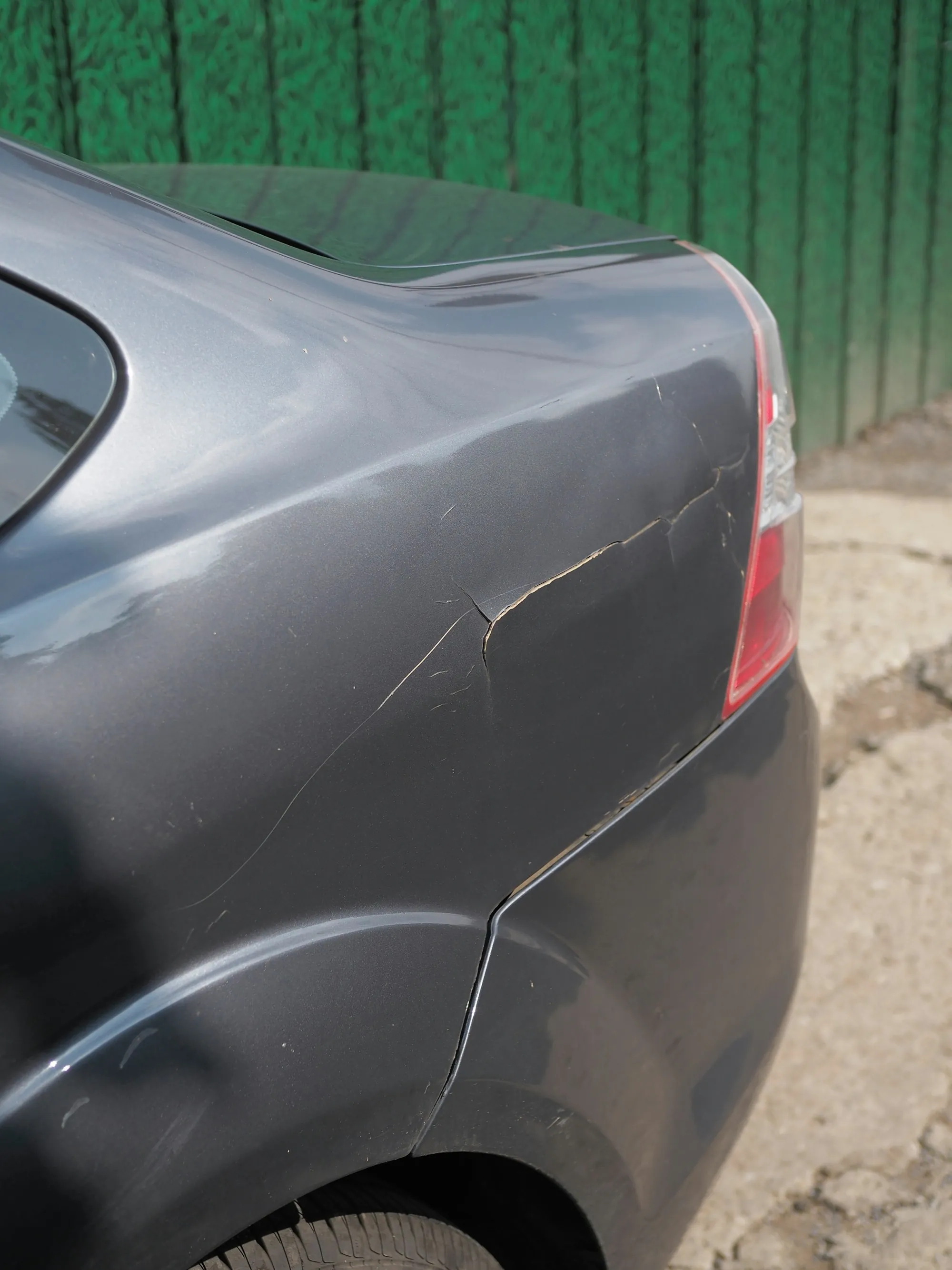
Scuffs, key marks and gouges
Paint Scratch Repair in Heath From Light Scuffs to Deep Gouges
A low branch around the Smirl Drive area, a scooter tipped against the door, a key mark left in a lot in Rowlett. We look at how deep it goes, then choose the gentlest fix.
Describe the scratch to our team at (000) 000-0000Every Scratch Has a Depth
Think of your car's finish as a stack: a protective clear layer, the color under it, primer below that and, at the bottom, metal or plastic. When a mark stays within that top clear layer, polishing alone frequently removes it. A mark that slices down to the color or primer calls for careful filling and refinishing, and a scratch that exposes metal should be sealed soon so rust cannot start. We take the time to find out which layer the damage reached before recommending anything. That way you get the least invasive repair that still gives a clean result. Households with young kids and pets know scratches will keep happening, so we also share a few simple tips for keeping the finish protected.
Fixes for Shallow, Medium and Deep Scratches
The right repair depends on what the scratch reached. These are the options and steps we use.
Depth check with light and touch
A fingernail test, angled lighting and a paint gauge help us see whether the scratch stopped in the clear coat or went deeper.
Machine polishing for surface scuffs
Light marks in the clear coat are leveled with fine compounds and a machine polisher until they vanish.
Wet sanding for deeper clear-coat lines
Slightly deeper scratches are carefully wet sanded flat, and brought back up to a deep shine.
Precise touch-up for small chips
Tiny chips and short scratches can be filled with color-matched paint and leveled so they are hard to spot.
Panel refinishing for long or deep marks
When damage runs the length of a panel or reaches primer, the area is refinished and blended for a seamless look.
Rust treatment on exposed metal
Any bare steel is cleaned and sealed before paint so corrosion has no foothold.
Plastic bumper scuffs smoothed
Scuffs on bumper covers are sanded, primed with the right adhesion promoter and painted to match.
Tips for protecting the finish
We share simple care habits, like gentle washing and a good sealant, that help the paint shrug off future scuffs.
What Happens When You Bring in a Scratch
- 01
Measure the layer it reached
We clean the area and examine it under bright, angled light. A paint thickness gauge shows how much clear coat remains. From there we can tell you whether polishing will do or whether fresh paint is the answer. You hear the options before we start.
- 02
Correct or refinish
Surface scratches are polished out in stages, each one finer than the last. Deeper damage is sanded, primed and painted to match. Exposed metal is sealed first so rust cannot creep under the new paint. Nearby trim and sensors are protected throughout.
- 03
Review the finish with you
We check the finished area in different lights to make sure no line remains. The panel is cleaned and protected. Then we show you the result side by side with the rest of the car, and any questions about caring for the finish are welcome.
Why Our Approach to Scratches Makes Sense
The gentlest repair first
We never repaint a panel that only needs polishing. Keeping original paint where possible is better for the car.
Clear choices, explained
You get a short explanation of each option so the decision is easy and yours to make. There is never pressure to choose the bigger job.
Rust prevention built in
Sealing any exposed steel stops a small scratch from becoming a much bigger repair later. It is a simple step that pays off.
Let's Take a Look at That Scratch
Let us know which panel is marked and roughly how long the line runs, and we can usually say which repair it will need. From there, planning a visit is simple.
(000) 000-0000 for a scratch repair conversation