
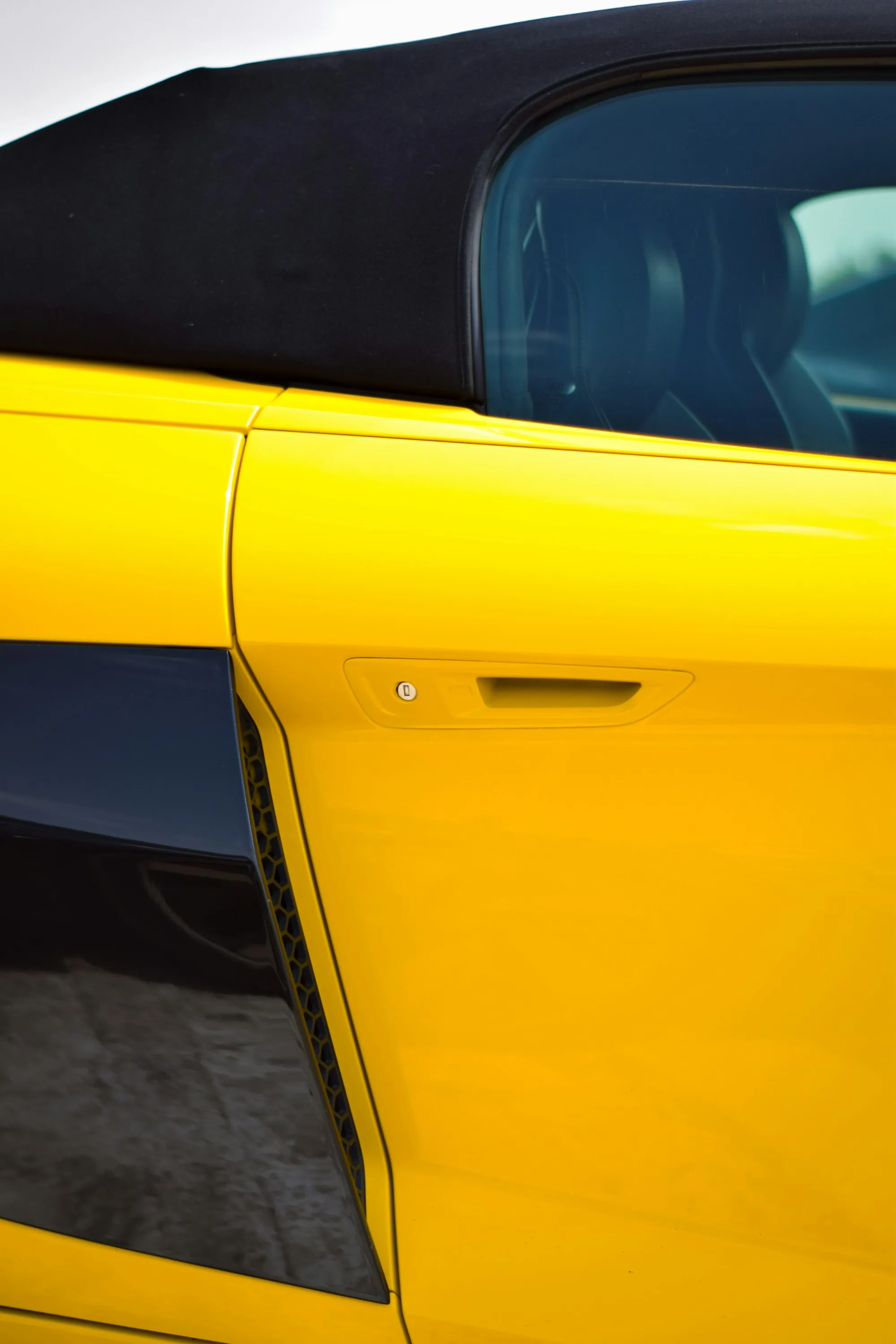
Dents out, factory finish kept
Paintless Dent Repair in Heath for Dings, Dimples and Hail Marks
Spring storms rolling in off Lake Ray Hubbard and tight spots in school lots leave their marks. When the paint is unbroken, we can often push those dents out from behind.
Find out if your dent qualifies at (000) 000-0000A Gentler Way to Remove a Dent
Paintless dent repair, often called PDR, is a technique for massaging a dent out from the inside of the panel. A technician slides specially shaped rods behind the metal and makes many small, controlled pushes while watching reflections on a lighted board. With no sanding and no spray gun involved, the finish that left the factory stays on the car. That matters for resale and for the simple satisfaction of keeping the car as it was built. The method suits shallow dents where the paint has not cracked, the kind left by car doors in a crowded lot or a passing hailstorm. If your dent is not a good candidate, we will say so plainly and suggest the right alternative.
What Our PDR Service Includes
Watching PDR can look almost effortless, yet every job follows a careful routine from first look to last.
Honest candidate check
We look at depth, location and paint condition first, and tell you up front if PDR is unlikely to give a clean result.
Reading the reflection board
Striped light on a reflector reveals each rise and dip in the metal, guiding every push.
Paths in through factory openings
Tail lamps, liners or trim are removed as needed so our tools can get behind the metal without drilling.
Light pushes from behind
The dent is raised slowly with many light pushes, which keeps the paint flexible and unbroken.
Glue pulling for hard-to-reach spots
Where nothing can reach the back, a hot-glue tab is set on the paint and gently drawn outward to raise the low spot.
Leveling any raised ridges
Any ridge that rises during the work is gently tapped back so the panel finishes level.
Hail damage mapped panel by panel
After a storm, each dent is marked on a damage map so your claim and the repair plan match.
One last look under several lights
Moving the light around the panel confirms no shadow of the dent is left behind.
How Paintless Repair Unfolds
- 01
Check whether PDR will work
Under the reflector, we check the dent's depth and look closely for cracked or stretched paint. Some dents near panel edges or on heavily braced areas are harder to reach. If the odds of a clean result are good, we explain the plan. If not, we talk through conventional repair instead.
- 02
Reach the back of the panel
Trim, lamps or liners are carefully removed to open a path for our tools. Any wiring or sensors in the way are disconnected and protected. For spots with no access, glue tabs are set up instead. Nothing is drilled unless you agree to it first.
- 03
Work it out and reassemble
The metal is raised in small increments while we watch the reflection on the board. High spots are tapped down until the surface reads flat. Trim and lamps go back on and electrical parts are tested, and then we walk you around the panel so you can see the result.
Why Families Like the Paintless Option
The factory finish stays put
Nothing is repainted, so there is no color matching to worry about. Your car keeps the paint it left the factory with.
Less taken apart
PDR usually means less disassembly than conventional body work, which keeps the repair simple. It also skips the drying and curing steps that paint work requires.
A clear yes or no up front
We would rather tell you PDR is not the right fit than leave a half-finished result on your door. That honesty spares you frustration later.
Wondering Whether Your Dent Can Be Pushed Out?
Tell us how big the dent is and whether the paint is cracked, and we can usually give you a good sense of whether PDR is an option. From there, we will plan an inspection that suits your week.
(000) 000-0000 for a straight answer on PDR